Order by 10am for same day delivery across City Beach, Floreat, Wembley and Scarborough.
Your local grocer, stocked the way you actually cook
We buy direct from Western Australian growers twice a week, cut and pack in store, and send your order out the same morning it is picked. The fruit was in a paddock days ago, not sitting in a controlled atmosphere room since last season. Walk in any day from 6am, or order online before 10am and have it on your bench by dinner.
Free delivery over $80. Click and collect ready in two hours, seven days.
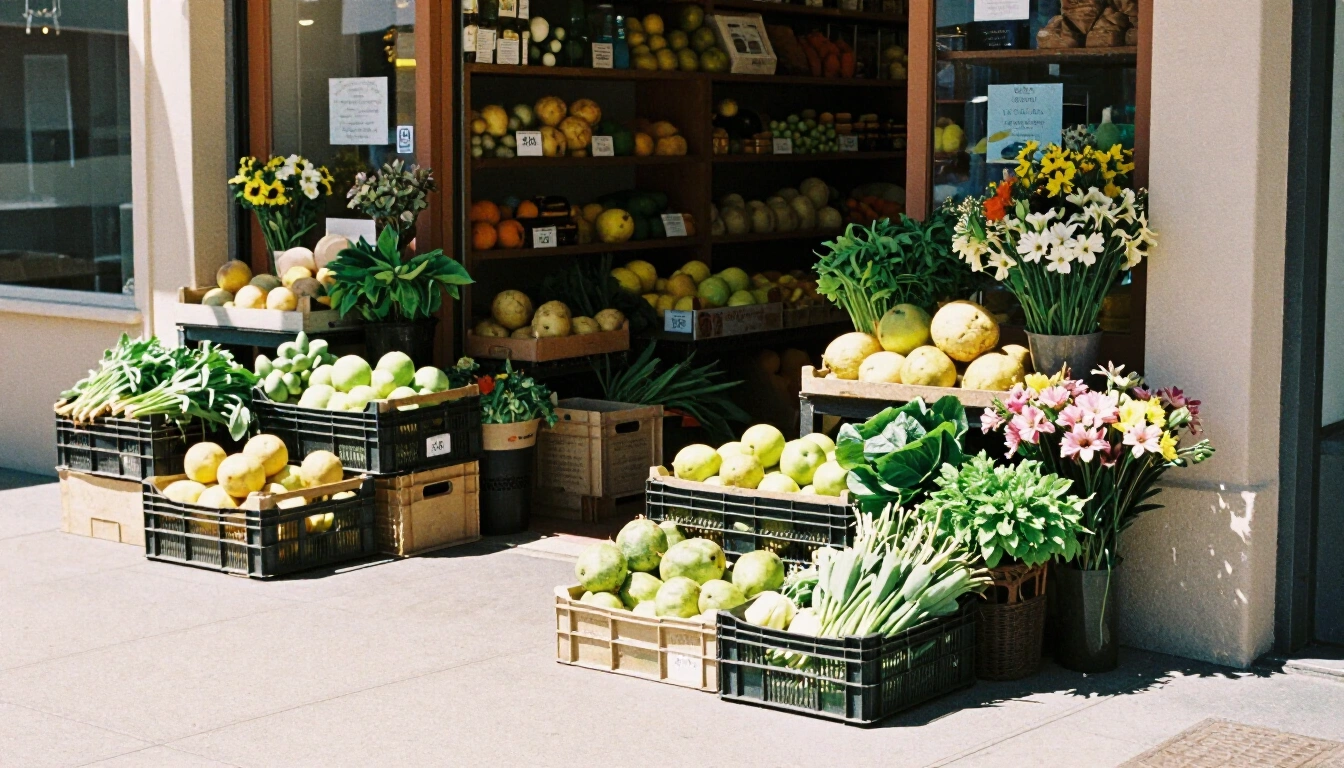
Same day delivery
Six western suburbs, ordered before 10am
Four things we do differently
Bought twice a week
Our produce buyer is at Market City on Tuesday and Friday mornings. If a line will not hold five good days on your bench, it does not go on the shelf. Slow movers get cut for the salad bar instead of sitting out.
Honest shelf pricing
One price on the ticket and no member card needed to see it. When a line is dear because the season turned, the ticket says so and names the cheaper swap that week. We would rather sell you the swap.
Cut and packed here
The butcher breaks down whole bodies on site, so a thicker chop or a smaller portion is a request rather than a problem. The deli slices to order. Bread is baked out the back, not defrosted in a tray.
Cold when it reaches you
Chilled and frozen go into insulated liners with gel packs and travel in a refrigerated van. In a Perth February that is the whole difference between good mince and mince you throw away.
What we are known for
Three counters carry most of the shop. Each one is run by someone who has worked it for years, and each one will answer a question properly if you ask.
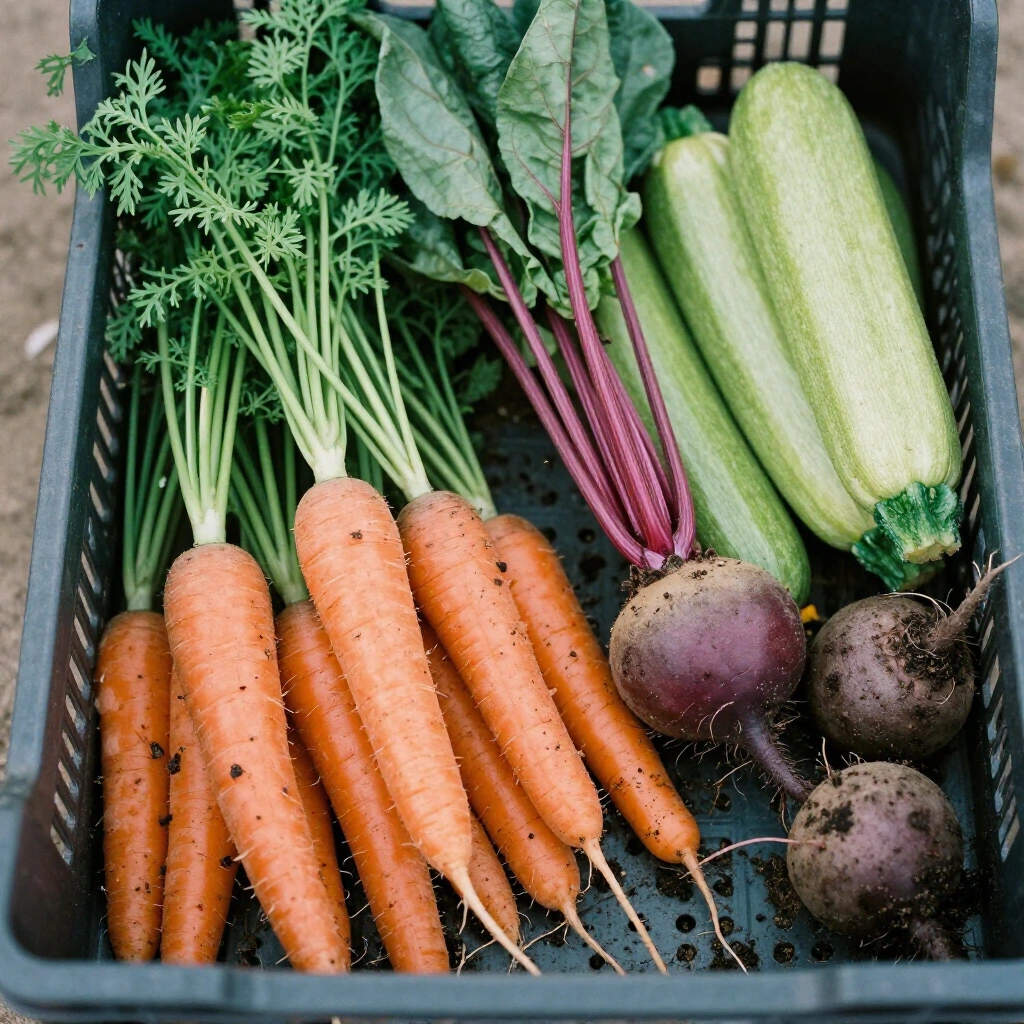
Fruit and vegetables
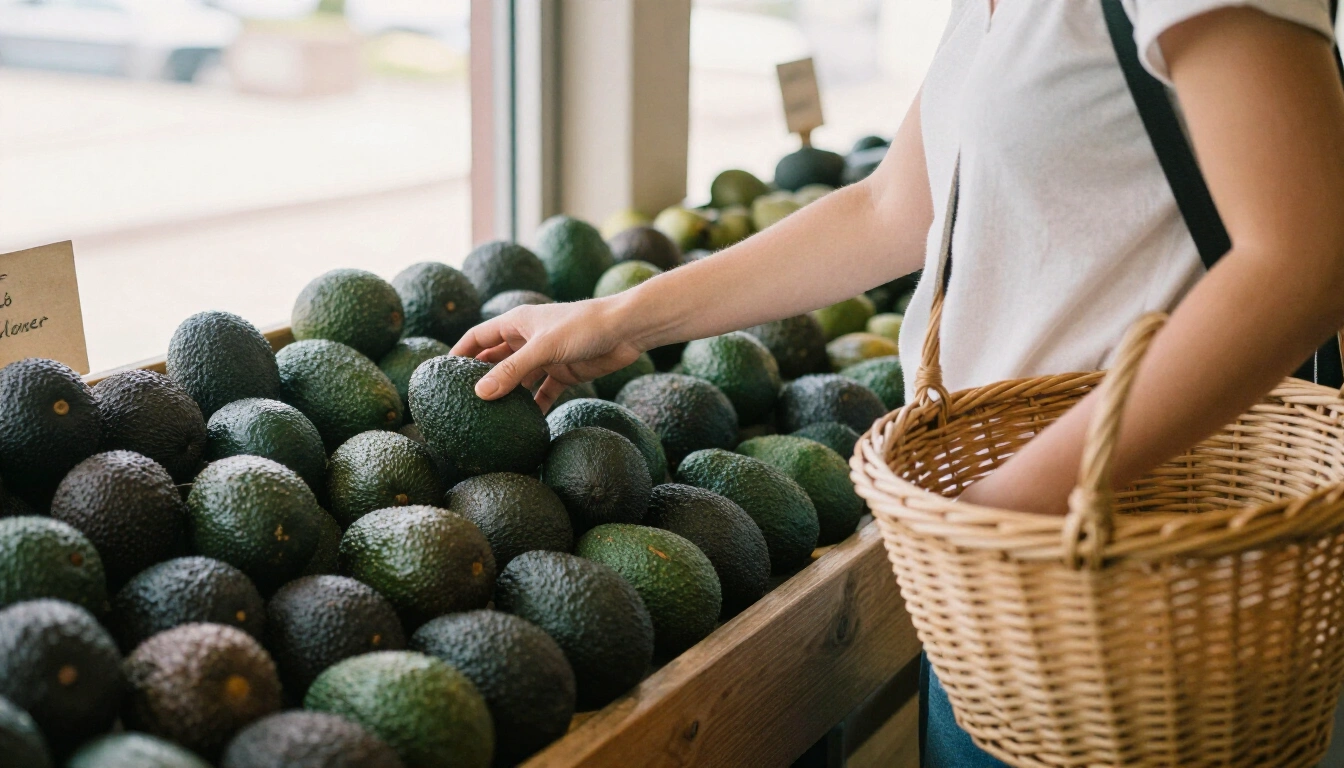
Two deliveries a week from growers in Carnarvon, Gingin, Manjimup and the Swan Valley. Sold loose wherever we can, so buy three potatoes if three is what the recipe needs. The team will tell you what is peaking, and they will tell you what to leave alone this week, which is the more useful half of the answer.
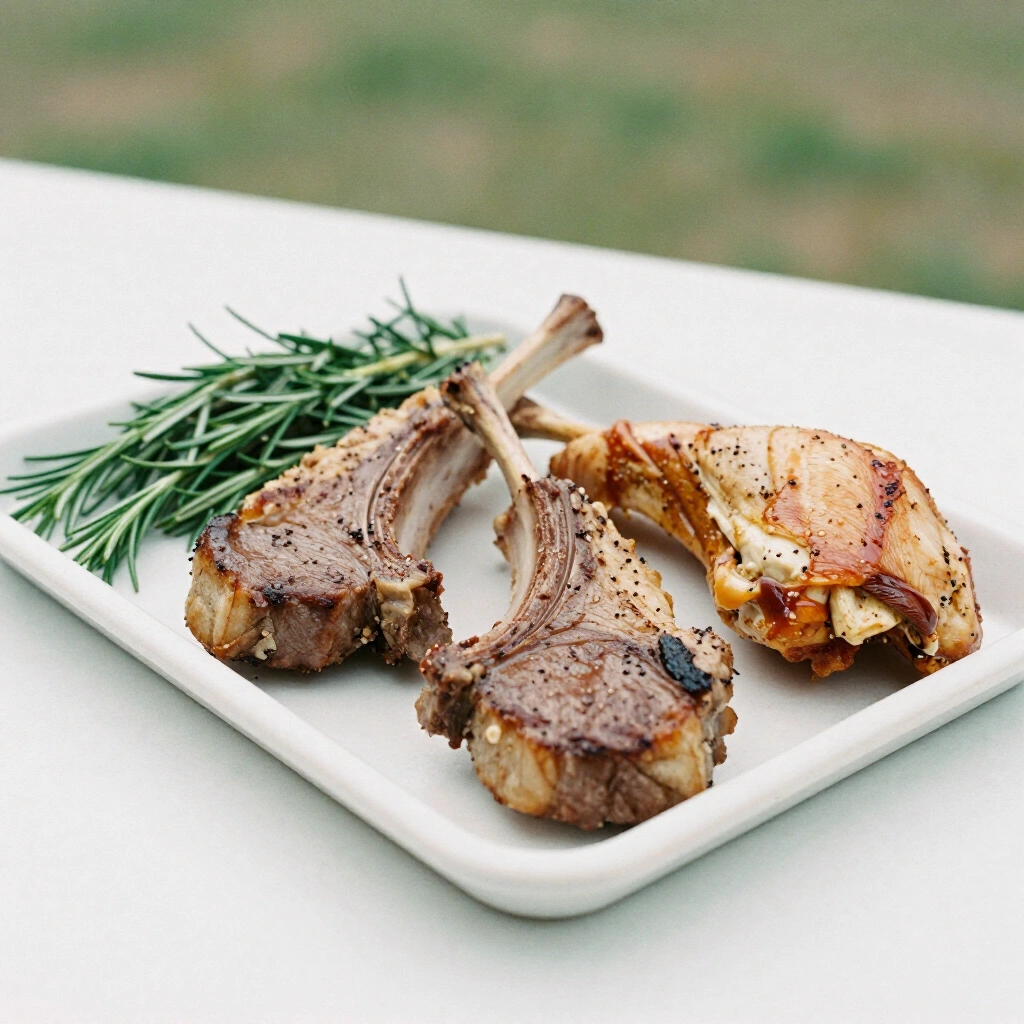
Butcher and seafood
Whole bodies broken down in store, so a thicker chop or a smaller portion is a request rather than a problem. Grass fed beef from the south west, lamb from Kojonup, free range chicken, and West Australian seafood landed the same week. Marinades are mixed here and the fish is filleted while you finish the shop.
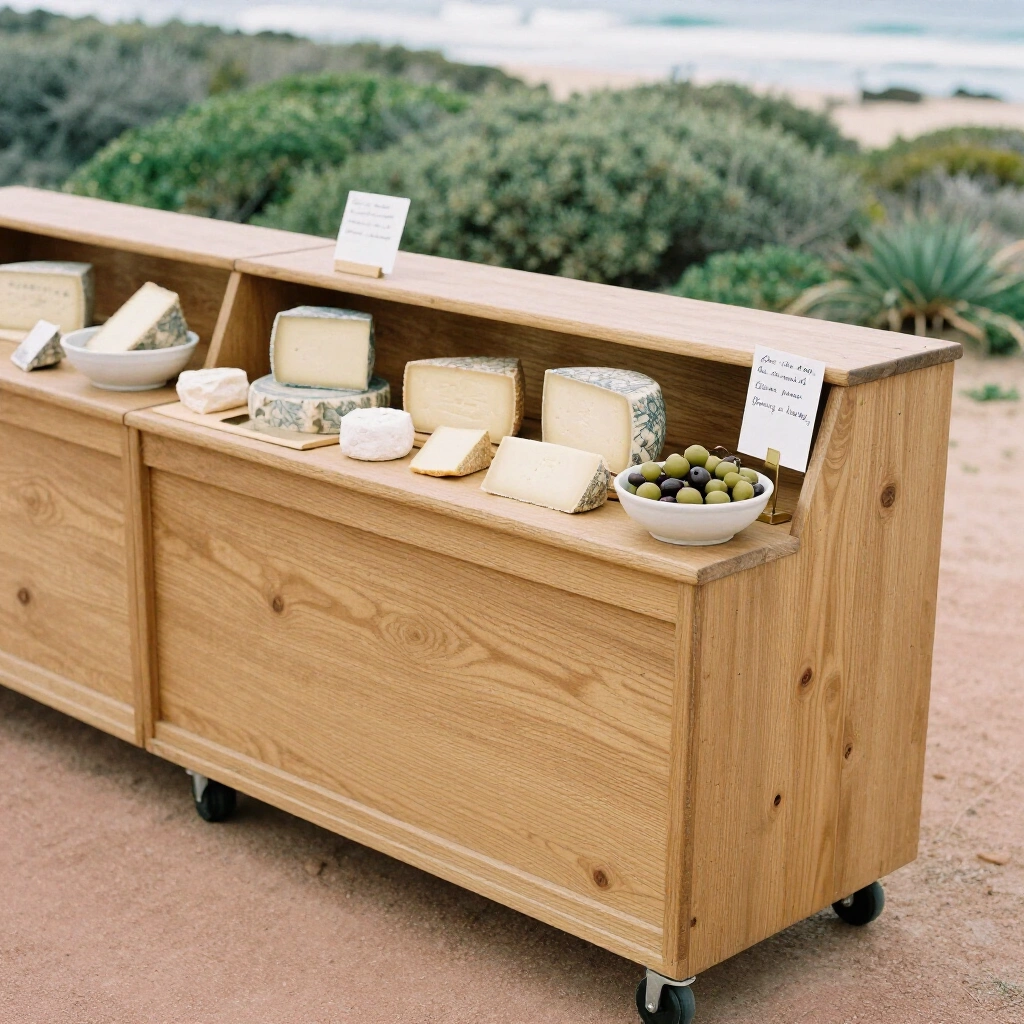
Deli, cheese and bakery
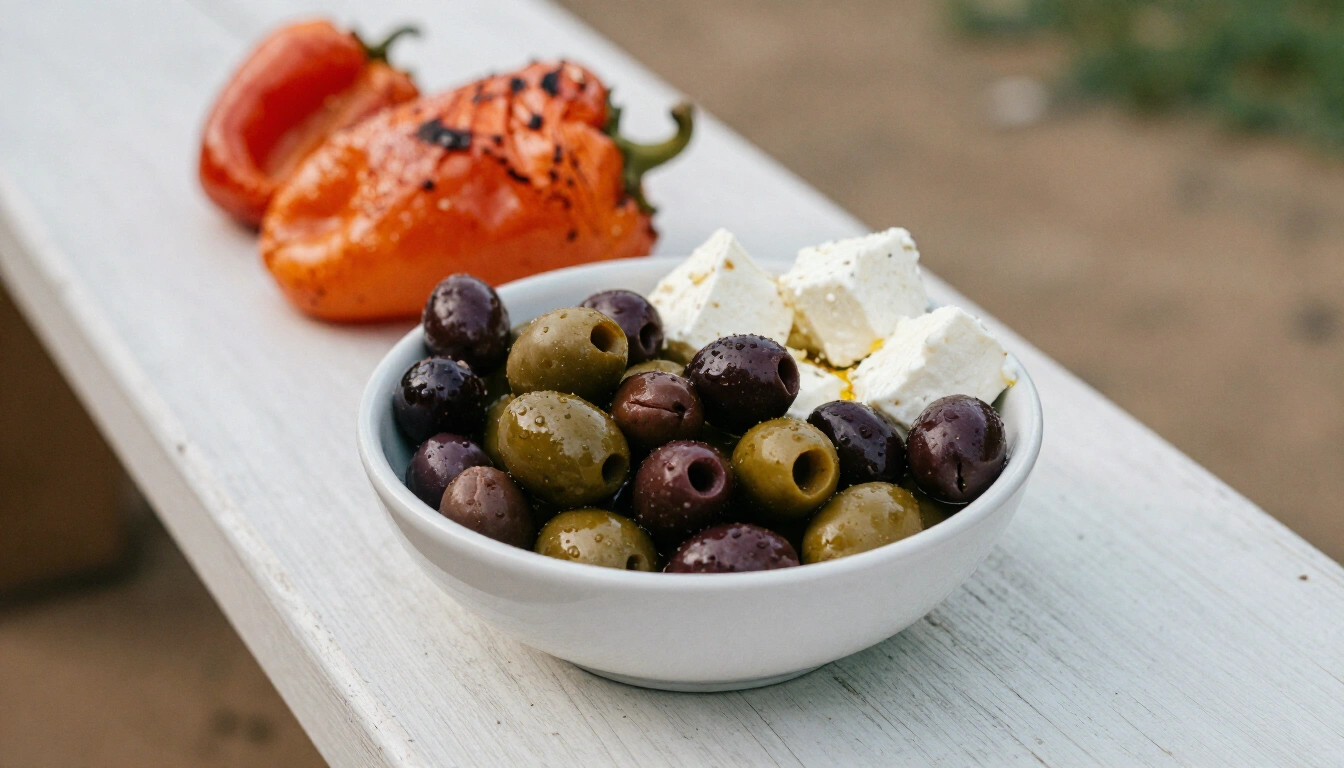
Sourdough baked out the back each morning and on the shelf by half past five. Cheese cut from the wheel rather than pre wrapped, olives and antipasti by weight, and ready meals cooked in the store kitchen by people you can see working. Ask for a taste before you commit to a two hundred gram wedge.
What fresh actually means once you get past the sign
Every supermarket in Australia calls its produce fresh. The word costs nothing to print. What matters is the number of days between the paddock and your fridge, and almost nobody puts that number on a sign.
Here is the version we can actually stand behind. Our produce buyer goes to Market City in Canning Vale on Tuesday and Friday. Stock is on our floor within four hours of leaving that floor, and most of it was picked within the previous two days if it came from Gingin, Wanneroo or the Swan Valley. Carnarvon adds a day of driving. Manjimup adds half a day.
Compare that with a national chain running a distribution centre. Fruit is bought centrally, moved to the centre, then shipped to stores on a rotation. That system is very good at consistency and very good at price on big volume lines. It is slower on the things that fall apart fastest: soft herbs, berries, leaf, and stone fruit at the edges of its season.
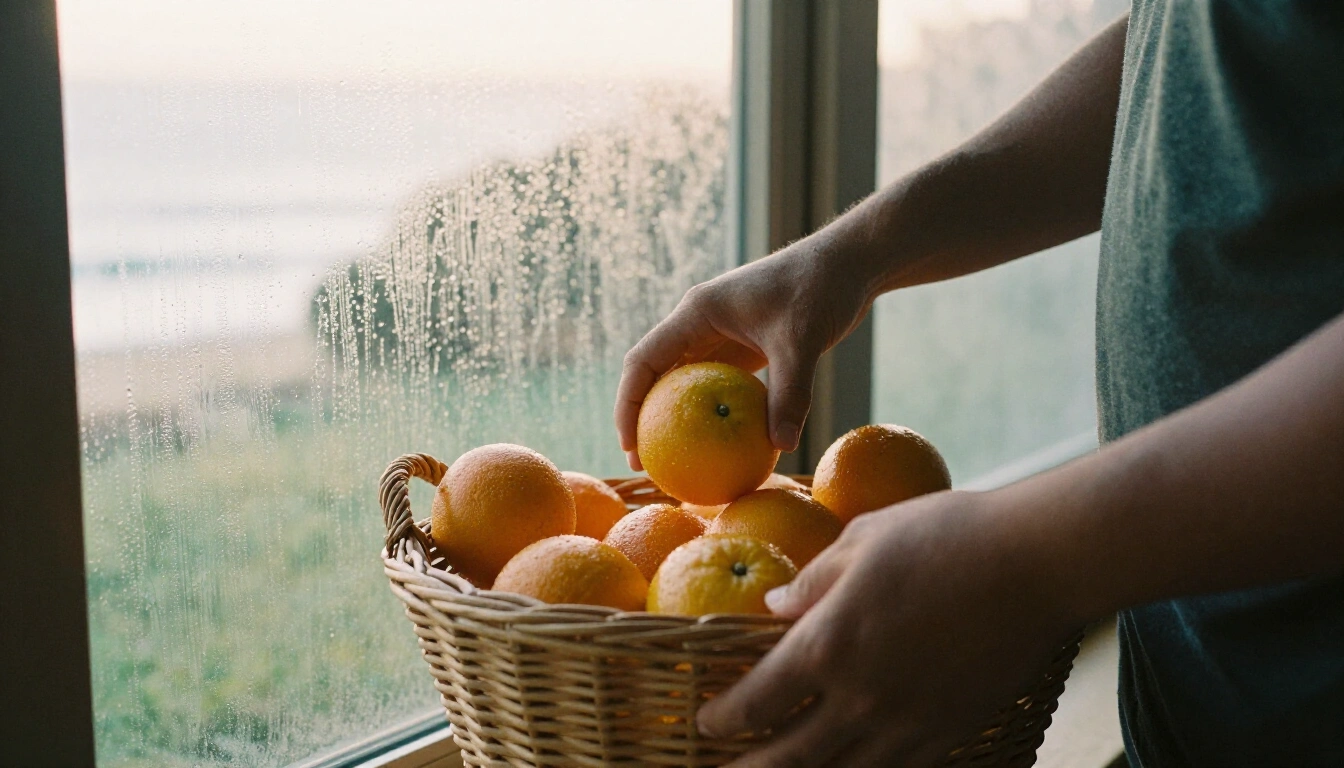
The days that matter, by product
Berries and soft herbs are the tell. A punnet of strawberries picked three days ago smells like strawberries through the plastic. One that is nine days old smells like nothing until you open it, then faintly like the fridge it lived in. Leaf goes limp at the stem first. Broccoli yellows at the crown. Stone fruit is the cruel one, because it looks perfect while it is mealy inside, which is what happens when it was picked hard and held cold for too long.
Bananas, apples, citrus, potatoes, onions and pumpkin do not care very much. They are built to sit. If your basket is mostly those, buy them wherever they are cheapest and do not pay a premium for the word local.
Where the food actually comes from
Most of our fruit and vegetables come from four areas. Gingin and Wanneroo grow the leaf, the brassicas and most of the salad. The Swan Valley and the Perth Hills bring stone fruit and grapes through summer. Manjimup covers apples, pears, potatoes and a lot of the winter brassica. Carnarvon runs the opposite calendar, feeding Perth tomatoes, capsicum, melons and beans through the cooler months when the southern growers slow down.
That pattern is more useful than any label on a punnet. When you see Carnarvon tomatoes in August, you are looking at the natural peak of that crop. When you see them in February, they travelled a long way to get to you and they were picked accordingly.
Judging a produce section in ten seconds
Look at the herbs first. If the coriander and basil are standing up and the water lines are clean, someone works that section every morning. Then check the trim on the leaf. A fresh cut is white and wet. An old cut browns and dries at the edge.
Look for loose product. A store that sells only prepacked has decided that shrinkage matters more than letting you buy the amount you need. Then look for gaps. A produce section with three empty spots at four on a Thursday afternoon is usually a good sign, because it means they order to sell rather than to fill a photograph.
Storage is half the battle
Buying well and storing badly wastes the exercise. Herbs last about twice as long standing in a jar of water with a bag over the top. Leaf keeps better washed, spun dry and rolled in a tea towel than it does in the bag it came home in. Tomatoes and stone fruit should not see the fridge until they are ripe, because cold flattens the flavour compounds and they do not come back.
Bananas gas everything near them, so give them their own corner of the bench. Potatoes and onions want dark, dry and apart. Berries hate moisture, so leave the punnet unwashed until the moment you eat them. None of this is complicated, and it buys two or three extra days on almost everything.
Where we lose
We lose on packaged staples. A chain buying pasta, rice, cereal and washing powder for hundreds of stores will beat our shelf price, and pretending otherwise would insult you. If your weekly shop is mostly centre aisle, you will pay more with us, and over a year that difference is real money.
We are competitive on produce, meat and deli, especially when a line is at its seasonal peak, because we buy small and turn it over fast. Plenty of our regulars shop both ways. They do a pantry run once a month at a big store and buy fresh here twice a week. That is a sensible use of both, and we would rather have half your basket honestly than all of it on a promise we cannot keep.
The Perth produce calendar we work to
This is the working version of what our buyer looks at before each market run. It is built for Perth and the growing regions that feed it, so it will not match a calendar written for Sydney or for the northern hemisphere. Read the last column first. The cheapest way to eat well here is to stop buying the thing that is out of season and take the swap that is at its peak in the same week.
| Month | At its peak in Perth | Best value pick | Swap instead of buying |
|---|---|---|---|
| January | Mangoes, grapes, stone fruit, zucchini | Cucumber and tomato | Broccoli, take beans |
| February | Figs, melons, capsicum, corn | Sweet corn by the cob | Cauliflower, take zucchini |
| March | Late stone fruit, apples, eggplant | Pink Lady apples | Berries, take grapes |
| April | Pears, pumpkin, silverbeet, chilli | Jap pumpkin by the half | Asparagus, take beans |
| May | Mandarins, broccoli, cauliflower | Imperial mandarins | Tomato, take Carnarvon roma |
| June | Navel oranges, leek, kale, parsnip | Brassicas by the kilo | Berries, take citrus |
| July | Citrus, brussels sprouts, swede | Navels and blood oranges | Capsicum, take carrot |
| August | Carnarvon tomato, cabbage, spinach | Roma tomato for sauce | Stone fruit, wait a month |
| September | Asparagus, spring onion, rhubarb | WA asparagus, first weeks | Pumpkin, take new potato |
| October | Strawberries, artichoke, new potato | Strawberries at the peak | Apples, take strawberries |
| November | Cherries, apricots, peas, lettuce | Early apricots | Cauliflower, take peas |
| December | Nectarines, cherries, beans, basil | Nectarines by the tray | Broccoli, take beans |
Three swaps that save the most. Buying Carnarvon tomatoes in winter instead of hothouse ones in summer usually costs about a third less for better fruit. Trading berries for citrus between May and August saves the most of any single change. Buying pumpkin, cabbage and carrot by the kilo through winter, then roasting a tray at a time, is the cheapest hot food in the shop.
One caveat. A hot spell or a wet week in a growing region moves this by a fortnight in either direction, and no printed calendar can predict that. Ask the person on the section what came in yesterday, because that answer is always better than this table.
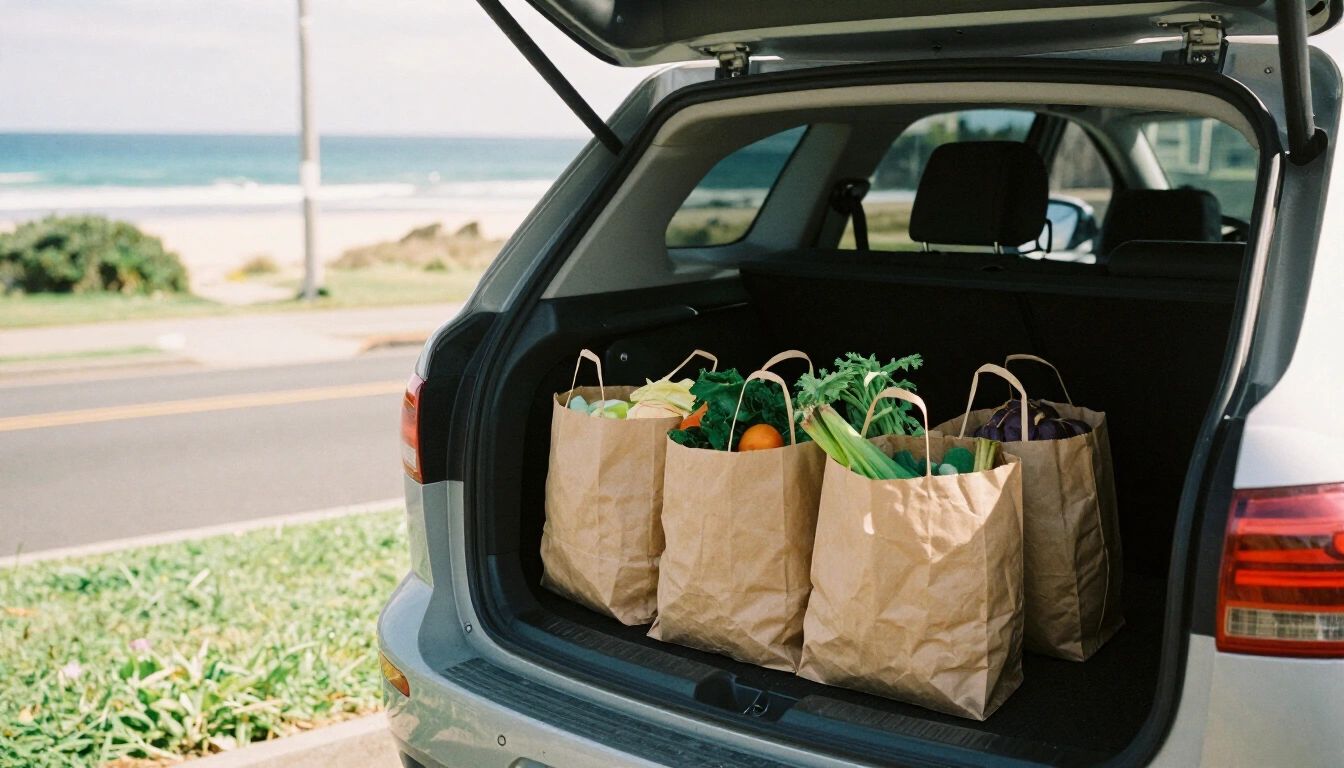
How your order reaches City Beach without breaking the cold chain
A grocery delivery is a refrigeration problem wearing a logistics costume. Anyone can put food in a van. Holding chilled product under five degrees from our cool room to your kitchen through a Perth February is the part that takes actual work.
Here is how ours runs. Orders placed before 10am are picked between 10am and 1pm and delivered that afternoon between 2pm and 6pm. Anything after 10am goes out the next day. We deliver Monday to Saturday. Click and collect is ready two hours after you order, seven days a week.
Picking happens in a fixed order: pantry first, then produce, then chilled, then frozen last and straight from the freezer into an insulated liner with gel packs. The van is refrigerated. Nothing waits on a dock for a run to fill up.
Substitutions, and why we ask instead of guessing
Every online grocery order reaches a moment where the thing you wanted is gone. Large chains hand that decision to an algorithm and you find out at the door. We text you a photo of the alternative and wait two minutes for a yes or a no. If you do not reply, the item comes off the order and you are not charged. You are never billed for a substitute you did not agree to.
You can also set a standing rule on your account. Some people write never substitute my coffee. Some write anything green is fine. Both are easier for us than guessing.
The twenty minutes nobody controls
The weak point in home delivery is not the van. It is the twenty minutes between your doorstep and your fridge. If nobody is home and a box of yoghurt sits on a north facing porch in January, the insulated liner buys about ninety minutes at best, and much less in direct sun.
So book a window when someone is home, or nominate a shaded spot, or use click and collect and drive it straight back. If you have to leave it out, say so in the order notes and we will double the gel packs at no charge. It costs us very little and it is the difference between food you eat and food you bin.
Click and collect is the cheapest good option
Delivery is $9 under $80 and free above it. Click and collect is free at any basket size, ready in two hours, and it is the option we would choose ourselves. Same picker, same cold chain, thirty seconds at the bay instead of circling for a park on a Saturday morning.
It also stays open longer. Ring the store and ask for the pick desk, and if your order has not started yet, adding to it costs nothing and takes about a minute.
What we charge and what we do not
There is no membership and no service fee stacked on top of the delivery fee. Online prices match the shelf, weekly specials included, and if a special starts on the day your order goes out you get the special price rather than the one showing when you booked.
Weight based items like meat, seafood and deli are charged on the actual weight cut, which lands a few cents either side of what you asked for. The receipt shows the requested weight and the cut weight so you can check it yourself.
Where we deliver and where we stop
The zone is drawn around a twelve minute drive from the store, which covers City Beach, Floreat, Wembley, Churchlands, Doubleview, Woodlands and the southern half of Scarborough. We stop at Karrinyup Road in the north and Oceanic Drive in the south.
People ask about Cottesloe and Subiaco most weeks and the answer is still no. A longer run means the last drop rides an extra half hour, and that is exactly when chilled product stops deserving the name. When a fifth van and a second route make sense, the zone grows. Until then, click and collect is open to everyone.
The honest caveat
Friday between 3pm and 6pm books out by Wednesday almost every week, and the fortnight before Christmas books out entirely. We run four vans and one of them is usually due for a service. If you need a Friday evening slot, set a recurring order or move to Thursday, because we cannot conjure a fifth van on a busy week. We would rather say that now than take your booking and disappoint you at five to six.
A normal week on the floor
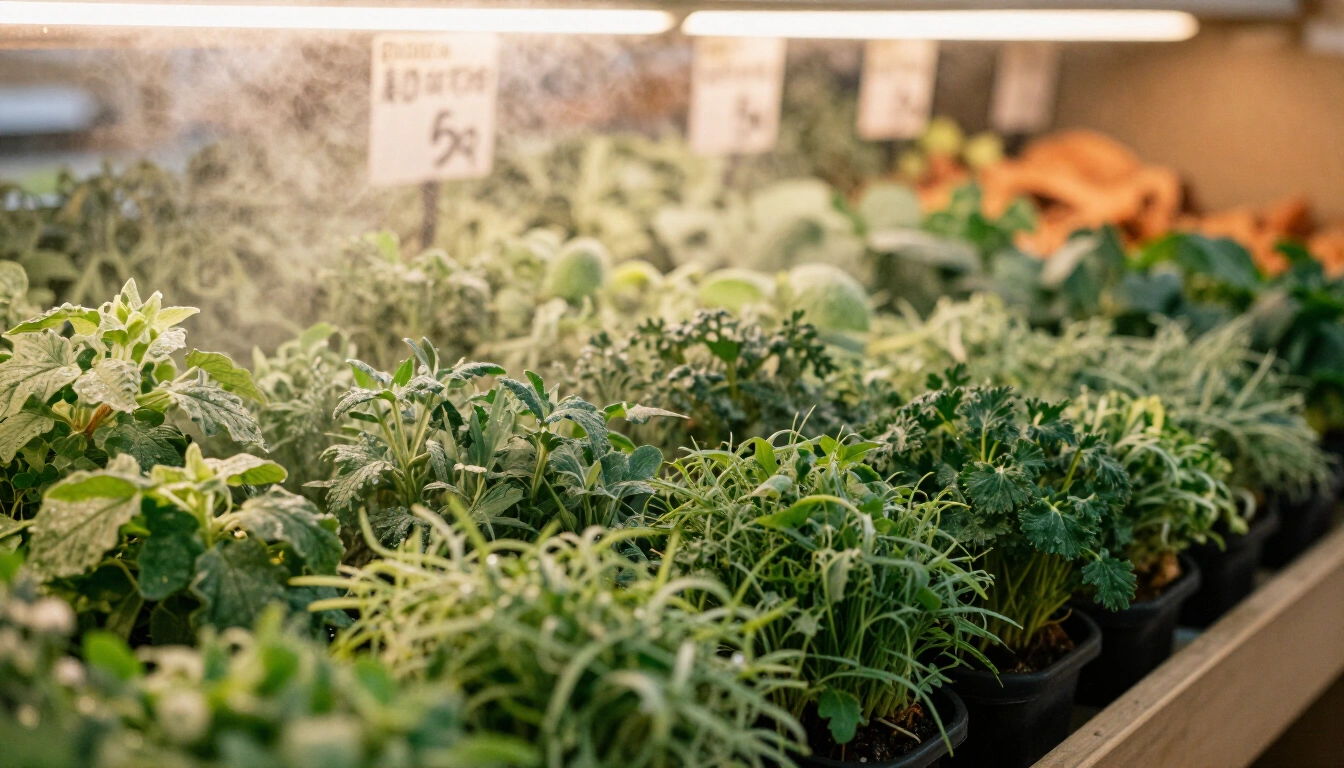
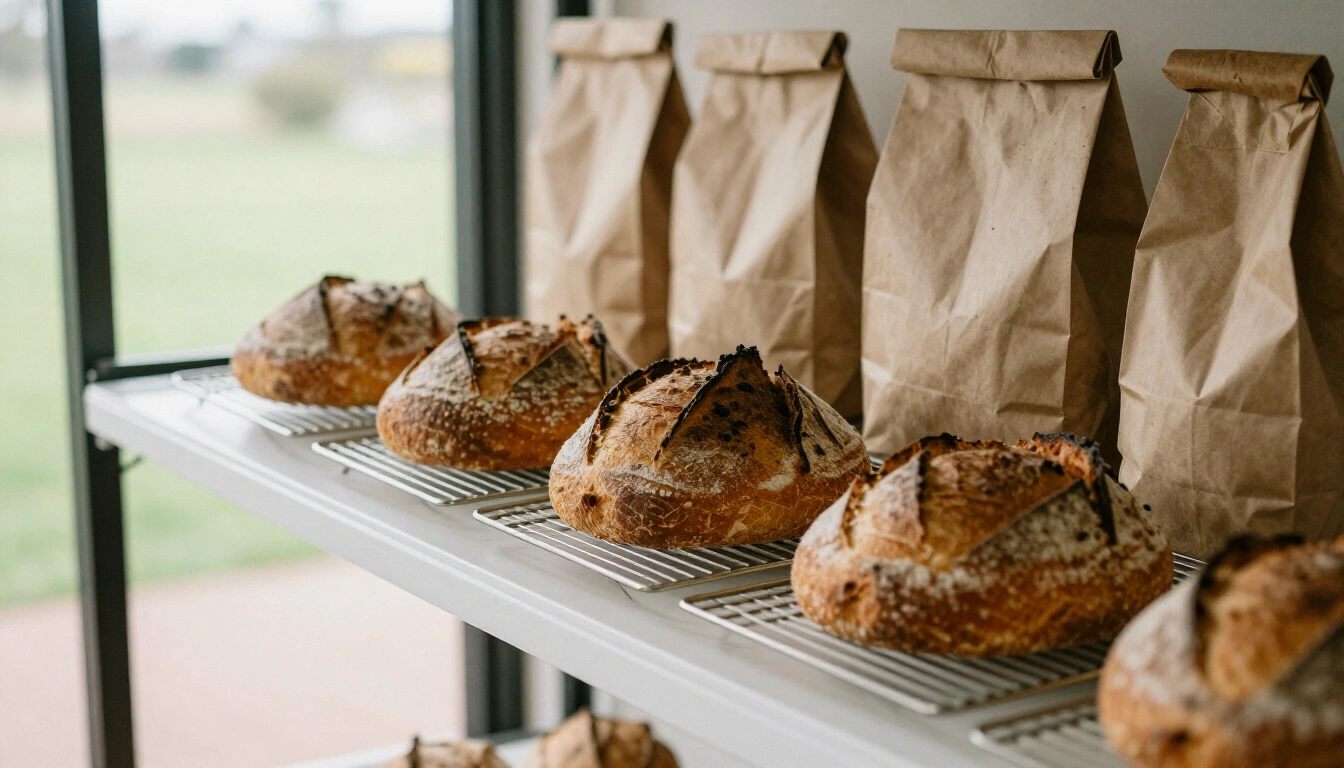
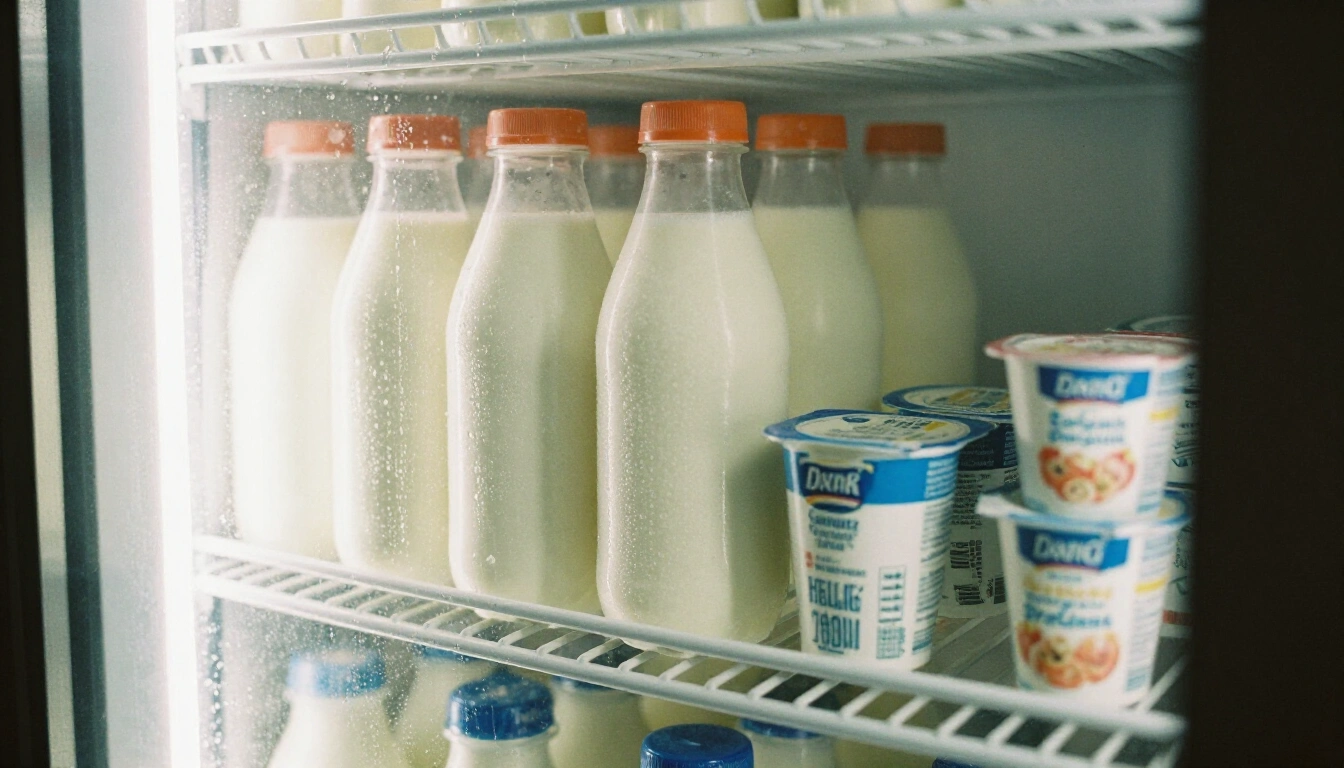
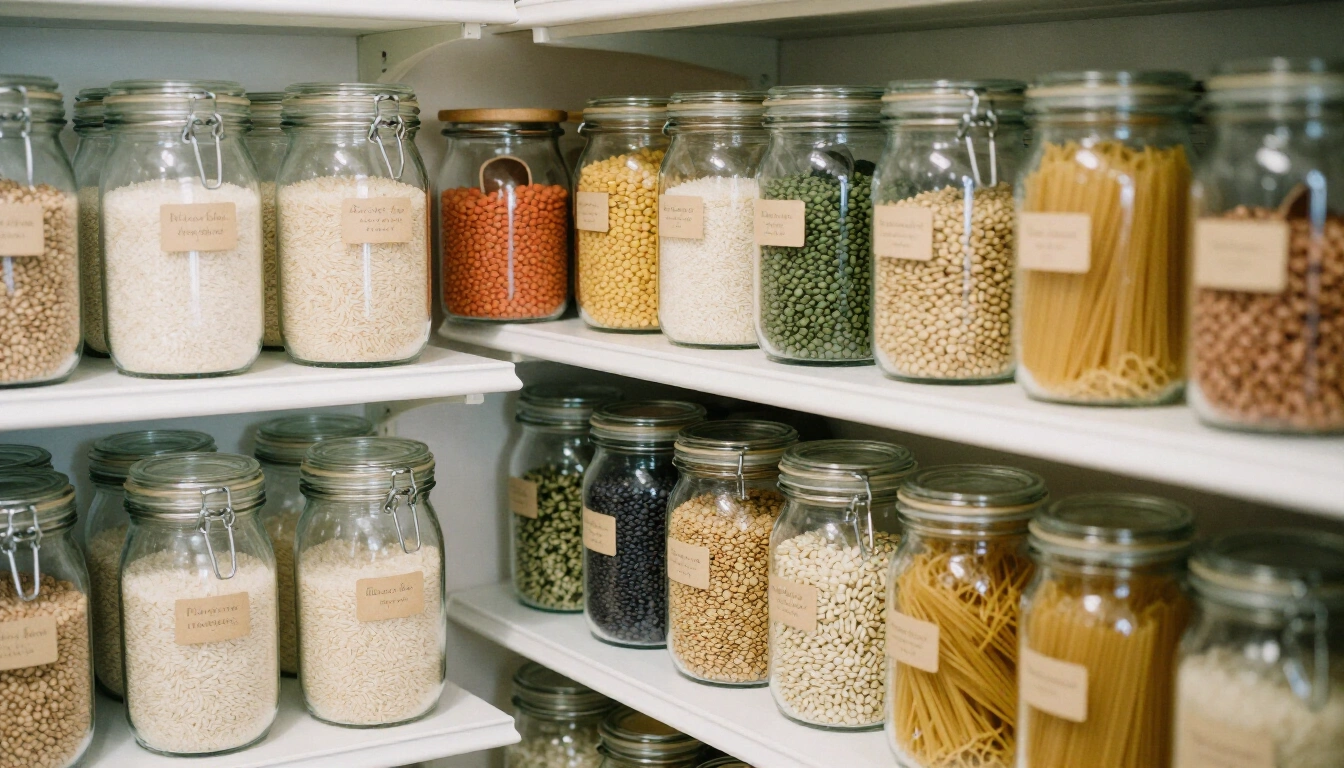
Photographs of a shop are usually taken on the one morning a year the floor is perfect. These are closer to a normal week: the herb wall after the morning mist, bread out of the oven at half past five, the deli bench mid service, the cold room before the doors open.
If you want the real version, walk in on a Tuesday around eleven, when the produce delivery has just been worked. Ask whoever is on the fruit and vegetable section what they are taking home.
The aisle by aisle guide to shopping this store well
A supermarket is designed to slow you down. A small grocer is designed to move you through, which only works if you know the order to walk it in. This is how the staff here shop their own store, and it takes about twenty five minutes for a full week.
Start at produce, not at the trolley bay
Walk the fruit and vegetable section before you decide what you are cooking. Two minutes of looking beats a list written on Sunday night, because the list cannot know that the cauliflower doubled in price or that the first WA asparagus landed that morning.
Buy the peak item in volume and build meals around it. Six dollars of beans in November feeds four people twice. The same six dollars in July buys a sad handful flown in from somewhere else. Then pick up the fillers, potatoes, onions, carrots and pumpkin, which hold for a fortnight and cover the nights when nothing was planned.
The butcher counter rewards a question
The display is a suggestion, not the whole range. Most of what is behind the glass can be cut thicker, thinner, boned, rolled or minced while you shop. Ask what is good this week rather than what is on special, because those are different questions and the first one gets a better answer.
Secondary cuts are where the money is. Chuck, blade, lamb shoulder and chicken thigh cost a fraction of the premium cuts and taste better after two hours in a low oven. Ask for the shoulder boned and rolled and it becomes a Sunday roast for a third of the price of a leg.
Deli and bakery: buy small, buy often
Cut cheese starts drying the moment it leaves the wheel, so buy a hundred grams twice a week rather than four hundred once. The same goes for sliced meat. Sourdough is best on day one and excellent toasted on day three, then it belongs in the freezer sliced, not in the bin on day five.
Ask for a taste. Nobody minds. A wedge you did not enjoy is a waste of both our time, and the person behind the counter would rather point you at something cheaper that you will come back for.
The cold room and what actually keeps
Milk, yoghurt and cream have short dates and there is no trick to them beyond checking the back of the shelf. Butter freezes perfectly for months. Hard cheese freezes badly but keeps three weeks wrapped in paper then plastic, and the paper is the part people skip.
Eggs do not need refrigeration in this climate if you use them within a fortnight, though the fridge buys you longer. Keep them out of the door shelf, which is the warmest part of any fridge.
Centre aisles: where a list saves you
This is the one part of the shop where you should walk with your eyes down and your list up. Pantry staples are where impulse spending happens, and they are also where a big chain will beat our price, so buy what you came for and move on.
The exception is the small makers shelf, which is the only reason to browse this end of the store. That is where the local honey, the single origin oil, the ferments and the sauces sit, and it changes every few weeks. Buy dry goods in the largest size you will actually finish, because flour and rice go stale faster than people expect and a five kilo bag left open for a year is not a saving.
Timing the visit
The floor changes character three times a day. Between six and nine the delivery is being worked, so the section is full but half the crates are still on the ground and the aisle is tight. Ten until two is the best window for choice, because everything is out, priced and faced.
After four the fresh sections thin out, though that is when the bakery markdowns appear and the butcher starts trimming the display for the next morning. If you are shopping for tonight rather than for the week, late afternoon is the cheapest hour in the building.
Saturday between nine and eleven is the busiest stretch we have. If queues bother you, Sunday morning is calmer and stocked to the same level.
Planning a week without cooking a spreadsheet
Three anchor meals, two flexible nights, two nights of leftovers. That is the whole system. Buy the anchors properly, let the flexible nights be whatever peaked at the produce section, and stop pretending you will cook seven times.
The caveat, and it is a real one. Shopping twice a week only makes sense if the store is on a route you already drive. If a second trip means a special twenty minute journey, do one bigger shop, buy the hardier vegetables, and use the click and collect window for the top up instead. The extra petrol and half hour will cost you more than the freshness gains.
Ten minutes that will cut your food waste
We did not make this video and we do not sell anything in it. It is here because the storage questions we get at the counter are almost always answered in it, and watching someone do it is faster than reading a list. The parts worth your attention are the leaf and herb sections, which cover the two things Perth households throw out most.
If you only take one habit from it, take the tea towel method for leafy greens. It adds about three days to a bunch of spinach, and three days is usually the difference between eating it and scraping it into the bin on rubbish night. The berry advice near the end is the other one worth copying, because a punnet washed on the day you buy it will not survive to Thursday.
Where the food comes from, and what a label is allowed to say
Local is the most abused word in Australian food retail. It has no legal definition, so a sign can say it about a tomato that crossed the country. The words that do carry legal weight are the ones in the country of origin panel, and they are worth ten seconds of your time.
Product of, made in, packed in
Product of Australia is the strongest claim. Every significant ingredient is Australian and effectively all of the processing happened here. Made in Australia is weaker. It means the food was substantially transformed here, but the ingredients can come from anywhere, which is why a jar of pasta sauce made in Victoria can be filled with imported tomato paste.
Packed in Australia is the weakest of the three. It tells you where the packing line sat and nothing else. Frozen berries and canned fruit are the usual examples. None of these claims is dishonest, but they answer three different questions and shoppers read them as if they answer one.
The kangaroo triangle and the bar chart
Most packaged food sold here carries a label with a kangaroo in a triangle and a bar chart. The kangaroo means the food was grown, produced or made in Australia by a business here. The bar chart shows the proportion of Australian ingredients by weight, and the number under it is the part to read.
A bar at ninety percent with a kangaroo is a genuinely Australian product. A bar at ten percent with a made in Australia line is a local factory using imported inputs. Fresh unpackaged produce does not need the label at all, which is why the sign above the crate matters more in our section than any sticker.
How we choose suppliers
Three questions decide it. Can we visit the place it comes from inside a day. Will they sell us small volumes without a pallet minimum. Will they tell us what went wrong in a bad season rather than quietly substituting.
That third one removes more suppliers than the first two combined. A grower who says the crop was poor this month and we should skip it has just cost themselves a sale and earned a decade of ours.
We also pay suppliers in seven days rather than sixty. It costs us cash flow and it buys first pick of a short crop, which is the trade every small grocer makes whether they admit it or not.
Reading a produce sign, not a package
Loose fruit and vegetables carry no packaging, so the sign above the crate is the entire label. Ours names the growing region and the week it landed, which is more than a sticker gives you and easier to check. Ask whoever is working the section and they will name the farm.
Two things to watch anywhere. A sign reading Australian grown covers a continent, so it is true and nearly useless. A sign naming a region is a claim someone can be held to, which is why big chains use them sparingly and small shops use them constantly.
Imported produce is legal, common and in some months the only option. It should simply be labelled as such. A shop that hides the origin sticker behind the price ticket has told you something about how it runs.
The small makers shelf
One bay near the checkout is set aside for producers too small to interest a chain. Honey from a keeper in Gidgegannup, olive oil pressed in the Swan Valley, sourdough crackers, ferments, chilli sauces and preserves in batches of a hundred jars.
We buy those outright rather than on consignment, which means we carry the risk if they do not sell. It also means we only stock what we would eat, because there is no free ride for a jar that sits.
What we cannot buy here, and will not pretend to
Bananas come from Queensland and the Northern Territory. Rice, coffee, chocolate, most nuts and a good share of the seafood in any Australian shop come from further away again. Western Australia grows an enormous amount, but it does not grow everything, and a shop that claims otherwise is either lying or very small.
So the promise is narrower and more useful. Where a WA grower can supply it in the season, we buy it from them and the ticket says who. Where they cannot, we buy the best version we can afford and the ticket says where it came from. You can decide from there, which is the only part of this that should be your job rather than ours.
Questions we answer at the counter every week
If the answer you need is not here, ring the store and ask for whichever counter it concerns. The person on the section always knows more than a page can.
What time are you open?
The doors open at 6am and close at 9pm, seven days a week, including public holidays other than Christmas Day and Good Friday. The bakery is out by half past five in the morning and the butcher counter is staffed from 7am. Produce is worked between 6am and 9am, so the section looks its best mid morning and thins out after five in the afternoon. Hours shift around Easter and Anzac Day, so check the sign on the door in the week before.
Do you deliver to my suburb?
We deliver to City Beach, Floreat, Wembley, Churchlands, Doubleview, Woodlands and the southern half of Scarborough, Monday to Saturday. The boundary is Karrinyup Road in the north and Oceanic Drive in the south. Outside that zone, click and collect is open to anyone and is free at any order size, so plenty of people from further out use it on their way home. If you sit just outside the line and there are a few of you on one street, tell us, because that is how the zone has grown before.
How late can I place a same day order?
Before 10am for a delivery that afternoon between 2pm and 6pm. Anything placed after 10am goes out the following day. Click and collect is two hours from the moment you order, up to 7pm, so an order at 4pm is ready by 6pm the same evening.
What happens if something I ordered is out of stock?
We text you a photo of the nearest alternative and wait two minutes for a yes or a no. If you do not reply, the item comes off the order and you are not charged for it. You can also set a standing rule on your account, either never substitute a particular item or accept anything close, and the pickers follow it.
Are online prices the same as the prices in store?
Yes, including the weekly specials. There is no online surcharge, no membership and no service fee stacked on the delivery fee. If a special starts on the day your order is picked, you get the special price even if it was not showing when you booked the slot.
Can I ask for a custom cut at the butcher?
That is most of what the counter does. Thicker chops, smaller portions, shoulder boned and rolled, mince to a coarseness you choose, chicken butterflied. Ring before 3pm for anything that needs preparation time, such as a crown roast or a large order for a party, and it will be ready the next morning.
Do you do catering, grazing boards or platters?
Yes, from the deli, with two days notice for anything feeding more than ten people. Boards are built from what is good that week rather than a fixed menu, so tell us the number of people, the budget and anything that has to be avoided, and the deli team will put it together and send you a photo before you collect.
Do you carry gluten free, dairy free and other dietary ranges?
We carry a working range rather than a wall of it. Gluten free bread, pasta and flour, dairy free milks, a small vegan chilled section and the common egg free and nut free staples. If you need something specific and we can get it through our wholesaler, we will order it in by the case and hold it for you.
How do I pay, and are there any fees?
Card, cash, and the usual phone wallets in store. Online orders are charged when the order is picked, not when it is placed, because weight based items settle to the actual cut weight. Delivery is $9 under $80 and free above it. Click and collect is free at every basket size.
What happens to food that does not sell?
Produce past its best goes to the salad bar and the store kitchen the same day. Bread from the previous day is marked down at opening and sold out most mornings. What is left at the end of the week goes to a local food relief run rather than the skip, and the fruit and vegetable trimmings go to a grower in Wanneroo for compost. Nothing edible goes into the general waste bin, and the weekly weights are posted on the noticeboard by the staff door.
Two ways to shop this week
Order before 10am for an afternoon delivery, or book a two hour click and collect window and drive it home cold. No membership, no minimum spend and no service fee, and the produce in your order was faced on the floor that same morning by the people who bought it.
The City Beach Grocer Editorial Team
Written by the buying and floor staff who work the counters described on this page, with the produce timings checked against the Perth wholesale market calendar before each update. Pricing, delivery windows and supplier lists are reviewed at the start of every season, because all three change with the weather.
Corrections, additions and arguments about the seasonal calendar are welcome through the contact page once it is live.
Published 14 August 2026. Last reviewed 14 August 2026.